Symphony of Leaves Tea Co.
About This Tea
Jeong Ritual Powdered Green Tea is an exceptional Korean powdered tea that honors centuries of traditional tea craftsmanship. Sourced from premium tea gardens in Korea and crafted by a renowned grand tea master, this finely milled green tea powder represents the pinnacle of Korean tea culture—where ritual, mindfulness, and artistry converge in every cup.
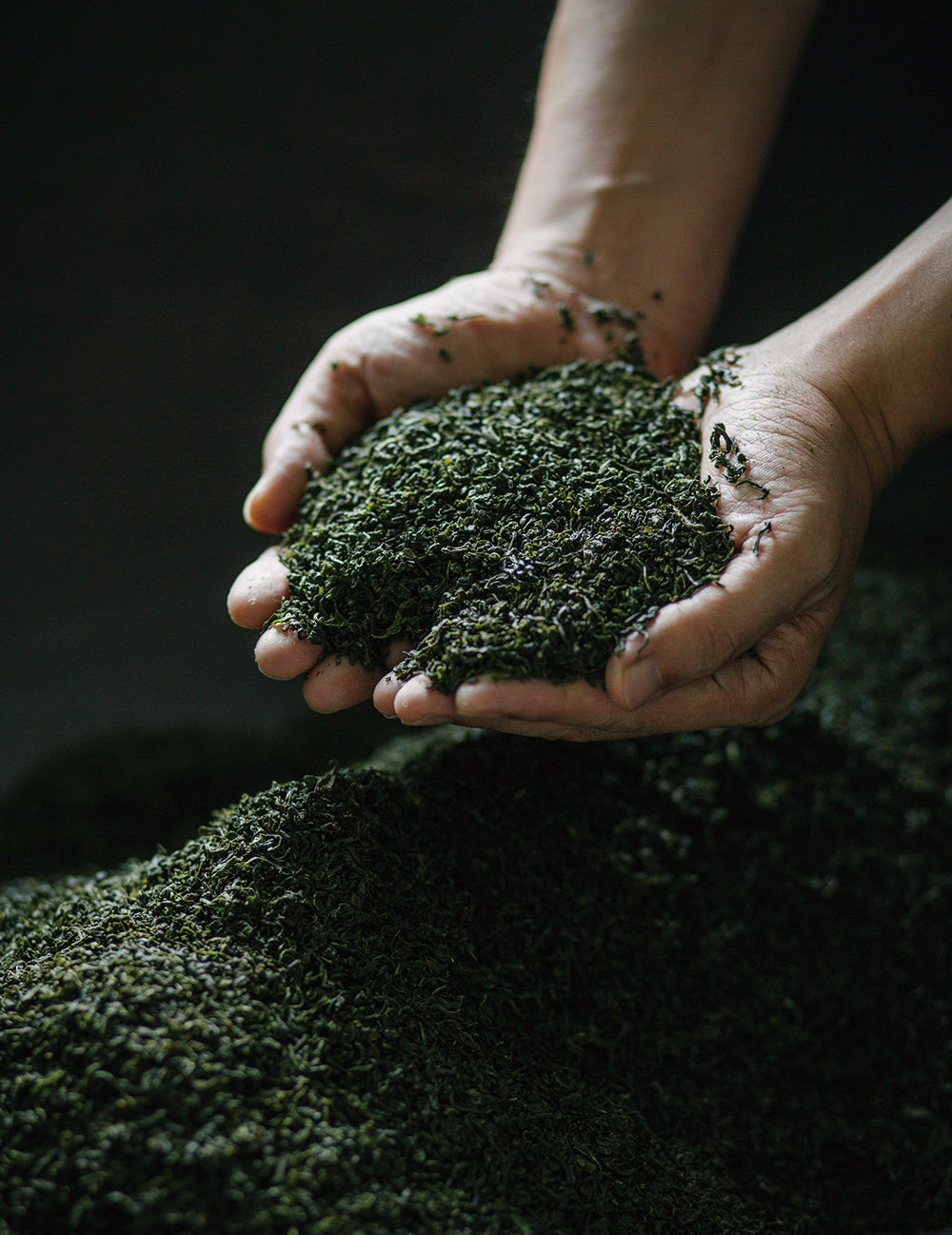
Unlike Japanese matcha, Korean powdered green tea (known as "malcha" or "garucha") has its own distinct character and preparation style. The tea leaves are carefully steamed, dried, and stone-ground into a fine powder that dissolves completely in water, allowing you to consume the entire leaf and receive the full spectrum of nutrients and flavor. Each sip is an invitation to slow down, be present, and honor the ancient Korean tea ceremony tradition known as "Darye"—a practice of mindfulness, respect, and connection.
Looking for the perfect tea gift? Explore our Tea Gift Guide or browse our Art of Gifting collection and curated gift sets.
Ingredients
-
Korean Powdered Green Tea: Premium stone-ground green tea powder from Korea, crafted by a renowned grand tea master
Brewing Guide
-
Water Temperature: 160–175°F (70–80°C)
-
Tea Amount: 1/2–1 teaspoon per 2–4 oz of water
-
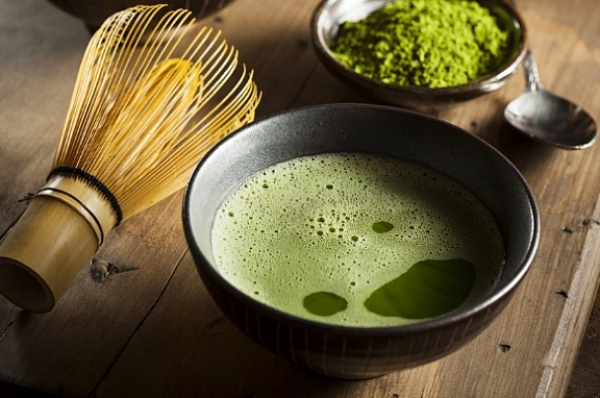
Preparation: Sift powder into a bowl, add hot water, and whisk vigorously in a zigzag or circular motion until frothy
-
Traditional Method: Use a bamboo whisk (chasen) and tea bowl (chawan) for an authentic ceremonial experience
-
Best Practices: Use filtered or spring water for optimal flavor. Avoid boiling water, which can make the tea bitter. The tea can also be whisked with milk for a latte, blended into smoothies, or used in baking and cooking. Learn more about brewing tea.
Tasting Notes
Jeong Ritual Powdered Green Tea offers a rich, full-bodied flavor profile characteristic of premium Korean green tea:
-
Vegetal: Fresh, grassy notes with hints of steamed greens and spring vegetables
-
Sweet: Natural sweetness with subtle honey and chestnut undertones
-
Umami: Savory, oceanic depth that provides complexity
-
Smooth: Creamy, velvety mouthfeel with minimal astringency
-
Nutty: Delicate roasted nut notes that add warmth
-
Clean: Crisp, refreshing finish that invigorates the palate
The liquor is a vibrant jade-green with a frothy, creamy top layer when properly whisked. The aroma is fresh, grassy, and inviting—evoking the pristine Korean tea gardens where this tea is cultivated.
Health & Wellness Benefits
Powdered green tea provides exceptional health benefits because you consume the entire leaf, not just the infusion:
-
Exceptionally High in Antioxidants: Contains up to 137 times more EGCG than regular brewed green tea
-
Metabolism Support: May help support healthy metabolism and weight management
-
Mental Clarity & Calm Focus: High L-theanine content promotes relaxed alertness and concentration
-
Detoxification: Chlorophyll content may support natural detoxification processes
-
Heart Health: May support cardiovascular wellness and healthy cholesterol levels
-
Immune Support: Rich in vitamins, minerals, and compounds that may strengthen the body's defenses
-
Skin Health: Antioxidants may help promote healthy, radiant skin and protect against aging
-
Energy & Endurance: Contains approximately 35–70 mg of caffeine per serving—providing sustained energy without jitters
-
Nutrient-Dense: Rich in vitamins A, C, E, K, and B-complex, plus minerals like potassium, calcium, and iron
These statements have not been evaluated by the FDA. This product is not intended to diagnose, treat, cure, or prevent any disease.