
Discover Oolong Loose Leaf Tea – A
Collection Crafted for Real Tea Lovers
Oolong tea has always been a category that sits between green and black tea, but anyone
who has truly tasted it knows it stands on its own. It offers depth without heaviness,
fragrance without sharpness, and character that shifts from sip to sip. Our collection of
oolong loose leaf teas was gathered with one simple goal in mind: to bring forward the
authentic taste of carefully handled leaves, free from shortcuts and mass-processing.
If you have only tried basic tea bags in the past, you may be surprised by how different
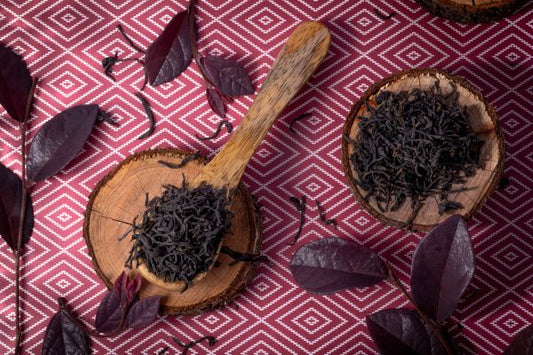
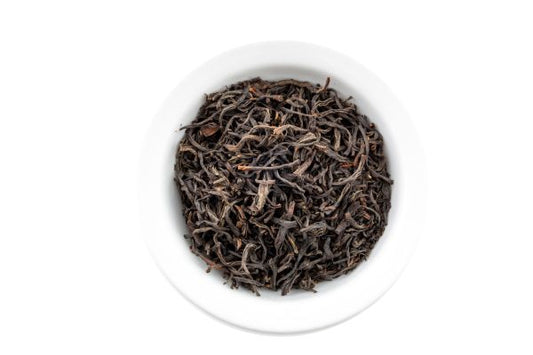
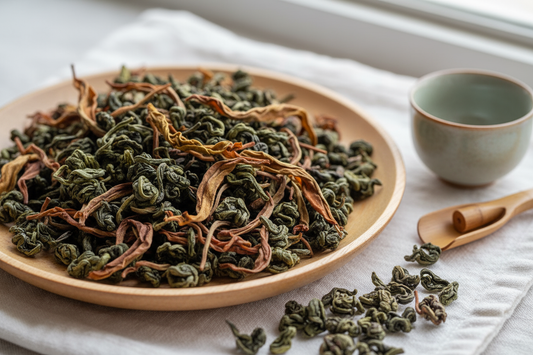
whole leaves feel once they meet hot water. Oolong, especially, depends on its leaf shape
and structure to develop flavor. The leaves twist, unfurl, and release their aroma gradually.
This slow expansion is what makes loose leaf oolong such a rewarding experience.
Why Choose Oolong Loose Tea Leaves?
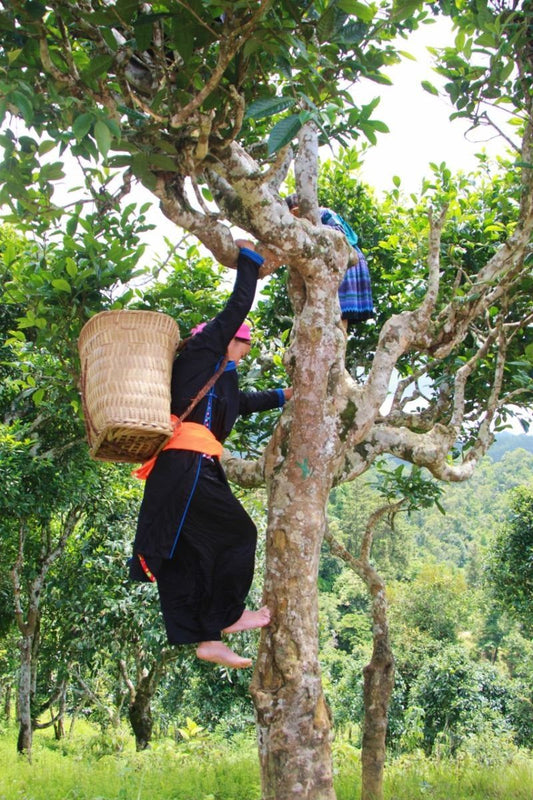
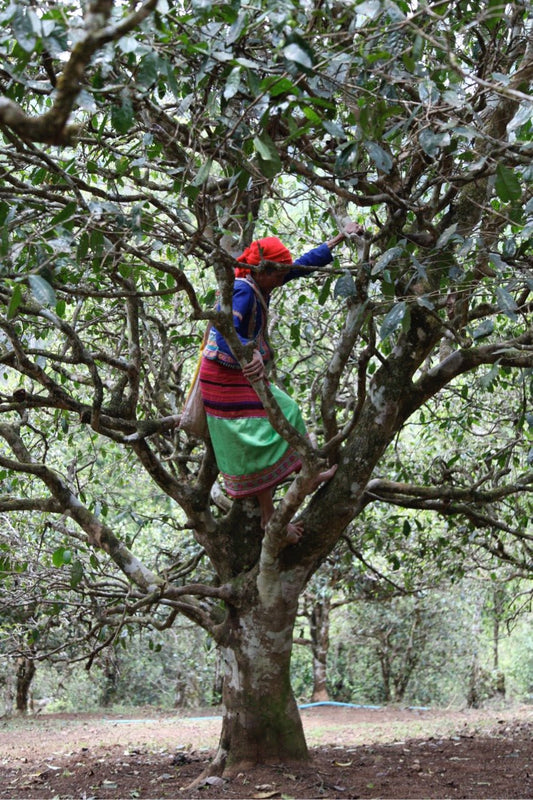
The journey of oolong tea starts on the hillsides where it grows. These leaves are partially
oxidized, which means they sit between the brightness of green tea and the rich body of
black tea. This partial oxidation is what gives oolong its signature character. But that
character is lost if the leaves are crushed, chopped, or blended without care.
Using oolong loose tea leaves ensures the final brew tastes exactly how the growers
intended. Whole leaves hold their natural oils, keep their shape, and release flavor in layers.
Each steep often tastes slightly different from the last, making oolong a tea you can sit with
for a while. It is one of the few teas that tastes even better when you take your time with it.
Another reason people prefer loose leaf oolong is aroma. Depending on the region and
processing style, oolong may carry floral notes, roasted warmth, honey sweetness, or even
buttery smoothness. Bagged teas rarely hold onto this complexity.
The Making of the Finest Oolong Tea
The term finest oolong tea is often used loosely, but for those who understand tea, quality
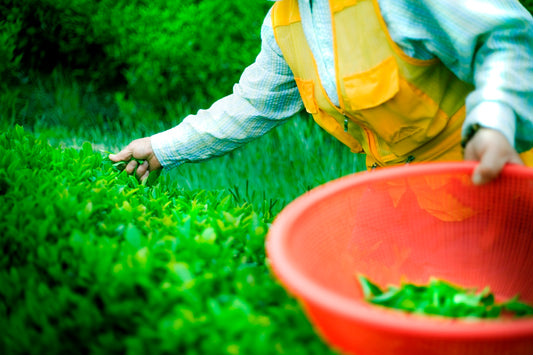
can be recognized immediately. It comes from the way the leaves are picked, the precision
of oxidation, and the skill involved in shaping the leaves.
High-quality oolong is made through a multi-step method:
1. The leaves are picked at the right maturity.
2. They are withered carefully to reduce moisture.
3. Leaves are shaken and rested repeatedly to bring out aroma.
4. Oxidation is monitored closely.
5. Finally, the leaves are pan-fired or roasted to lock in flavor.
Every step influences the final taste. If the oxidation goes too far, the subtlety disappears. If it
is not enough, the tea tastes green rather than balanced. This is why sourcing matters so
much. Good oolong is not created accidentally.
Varieties You Will Find in Our Oolong Loose Leaf Collection
Oolong tea comes in many forms, and our collection includes a wide range of options, each
with a distinct profile.
Lightly oxidized oolongs
These lean toward floral and fresh notes. You might find hints of orchid, gardenia, or green
fruits. The flavor is gentle and refreshing, ideal for someone who enjoys delicate teas.
Medium-oxidized oolongs
This category offers a more rounded flavor—smooth body, gentle warmth, and a natural
sweetness. Many tea drinkers consider this the ideal middle ground.
Heavily oxidized or roasted oolongs
These teas have deeper, toastier profiles. The roast introduces warm, nutty, and sometimes
caramel-like notes. They are rich without feeling heavy.
Each type responds differently to water temperature and steeping time, which allows you to
adjust the flavor based on your taste.
Brewing Oolong Loose Tea Leaves Properly
Oolong tea rewards a careful approach. It is not difficult to brew, but paying attention to a few
small details can elevate the experience.
Use water that is hot but not boiling. Around 85–95°C works best for most oolongs. Boiling
water can shock the leaves and flatten the flavor.
Use about one teaspoon of leaves per cup, though rolled oolongs may look smaller at first
because they open dramatically during brewing.
Steep for one to two minutes for a lighter taste, or a little longer if you prefer a stronger
brew.
Good oolong can be steeped three, four, even five times. Many people enjoy the later
steeps even more because the flavor becomes smoother and more layered.
This kind of tea is ideal for slow drinking. Every steep introduces something slightly different
A Tea Collection Built for Both Beginners and Enthusiasts
Some teas require knowledge or specific brewing techniques, but oolong is approachable
even if you are just starting your tea journey. At the same time, it is complex enough to
satisfy experienced tea drinkers who enjoy exploring subtle variations.
If your preference is floral teas, lightly oxidized oolongs are a natural fit. If you prefer depth
and warmth, roasted varieties will probably become your favorite. And if you simply enjoy a
clean, balanced taste, mid-range oxidation usually provides exactly that. Our goal is to help
you discover the style that feels right for you.
Shopping for Oolong Tea Online
Online tea shopping can feel overwhelming when everything sounds similar. That is why we
keep our descriptions straightforward. You will find information on aroma, roasting level,
oxidation, and the kind of flavor you can expect in each cup. Instead of using overly poetic
phrases, our approach is to let you know exactly what you are buying so you can choose
confidently.
Freshness is a priority. Leaves are stored in airtight packaging to keep them safe from
moisture and scent contamination. When the tea reaches you, it still carries the same aroma
it had at the source.
A Cup for Every Mood
Oolong tea can be part of almost any moment. In the morning, its smooth energy helps you
start the day without overwhelming your senses. During work, a mid-day steep keeps you
focused. In the evening, roasted oolongs offer warmth that feels grounding and calming.
This versatility is one reason why many tea drinkers eventually choose oolong as their
everyday tea.
Frequently Asked Questions About Oolong Loose Leaf Tea
Q. What makes oolong loose leaf tea different from green or black tea?
Oolong tea is partially oxidized, so it sits between green and black tea in flavor and color.
This creates a unique combination of smoothness and depth.
Q. How many times can I steep oolong loose tea leaves?
High-quality oolong can be re-steeped several times. Each infusion often reveals new layers of flavor.
Q. Is oolong tea naturally sweet?
Some oolongs have natural sweetness due to their oxidation level and firing method. This
sweetness is subtle and comes from the leaf itself, not additives.
Can beginners enjoy oolong tea?
Yes. Oolong is one of the most beginner-friendly teas because it is smooth, balanced, and
rarely bitter when brewed correctly.
What qualifies a tea as the finest oolong tea?
The finest oolong tea is made from carefully selected leaves, processed with precise
oxidation, and stored in a way that preserves aroma and freshness.
Is oolong tea high in caffeine?
Oolong contains moderate caffeine. It offers steady alertness without the intensity of strong coffee.
How should I store my oolong loose leaf tea?
Keep it in an airtight container away from heat, moisture, and strong odors. Proper storage
helps maintain the tea’s fragrance.