
Japanese Matcha Tea – A Closer Look at
a Tea Rooted in Tradition
There are many green teas in the world, but Japanese matcha tea stands apart because of
the way it is treated from the very beginning. Matcha is not a product you rush. It requires
time, shade, careful hands, and a slow milling method that hasn’t changed much in
generations. When you open a fresh tin of real matcha, you can sense that history before
you even take the first sip.
Authentic matcha has a quiet richness. It doesn’t taste thin or grassy the way some green
teas do, and it isn’t harsh or bitter when made correctly. Instead, it has a full, grounded flavor
with a natural sweetness that spreads gently across the palate. Many people describe it as
calming, almost centering, which is why matcha is often used in rituals and daily mindfulness
routines.
What Sets Japanese Matcha Tea Apart
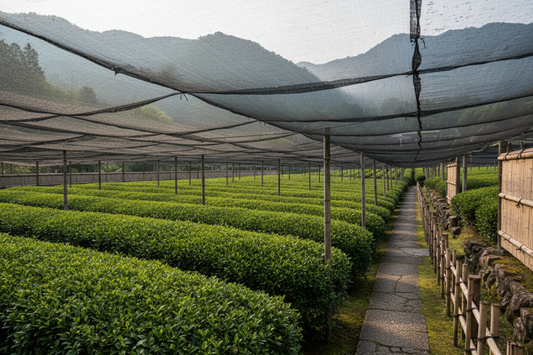
A lot of teas are processed quickly. Matcha is not one of them. The tea bushes are shaded
long before harvest so the leaves can develop a deep green pigment and a softer flavor.
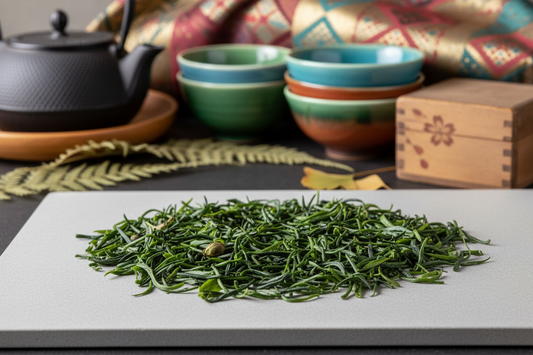
Only the most tender leaves are selected. They are steamed to preserve color, dried
carefully, and then turned into tencha.
That tencha is stone-ground at a slow pace. The process is deliberate because raising the
temperature even slightly can damage the aroma. This slow grinding results in a fine, almost
weightless powder. When whisked, it blends smoothly with water and forms a delicate layer
of foam.
These steps may seem small, but they are exactly what separate high-quality japanese
matcha tea from the many imitations available online.
A Tea You Drink, Not Just Brew
Unlike regular tea, matcha is not steeped. You consume the powdered leaf itself. Because of
that, the experience feels fuller. You don’t just taste the surface flavor of the leaf; you take in
everything the plant has to offer.
This is one reason matcha has become a daily staple for so many people. It’s not simply a
drink you prepare while distracted. It’s something you mix with intention. The moment you
sift the powder, add water, and begin whisking, you slow down a little. The drink encourages
it.
Some people enjoy matcha for the energy it provides. Others appreciate the flavor. And
plenty simply like the small pause it adds to the day.
Preparing Japanese Matcha Tea the Right Way
You don’t need a long list of tools to prepare matcha, but a few steps make a noticeable
difference. Start by sifting the powder so it blends evenly. Add warm water—hot but never
boiling. Water that is too hot can flatten the taste.
Whisk with a quick, light movement until a fine layer of foam forms on the top. You don’t
need to force it; the foam comes naturally once the water and powder blend evenly. The
result should be smooth, with no sharpness. If the flavor feels too strong, use slightly more
water next time. If it tastes too light, add a little more powder. Matcha is flexible once you get
familiar with it.
Why Quality Matters More With Matcha
Low-grade matcha is easy to recognize. The color fades quickly, the powder feels gritty, and
the taste leans bitter. Many products sold as matcha are simply ground green tea, not true
shade-grown leaves. They lack the depth that real matcha carries.
Good japanese matcha tea should show a bright green shade, with a fresh aroma that rises
immediately when you open the container. Fresh matcha almost never smells dull or dusty. It
should dissolve easily, forming a silky texture.
When you choose matcha made the traditional way, you get a drink that tastes clean and
rounded, not harsh or muddy.
What to Consider When Buying Japanese Matcha Tea
If you are choosing matcha for the first time, there are a few things worth noticing:
• The color should be vibrant, not pale.
• The powder should be smooth and fine.
• The aroma should feel fresh instead of muted.
• The flavor should lean sweet rather than bitter.
Matcha is simple once you know what quality looks like. The tea offered on this page follows
these standards closely so that each cup feels dependable and consistent.
Frequently Asked Questions
Q. Is matcha different from regular green tea?
Yes. Matcha is powdered and consumed fully, giving a richer flavor and fuller body.
Q. Does japanese matcha tea contain caffeine?
It does, but the effect is steadier and more balanced compared to coffee.
Q. Why is shading important?
Shading allows the leaves to develop sweetness and a bright green color.
Q. How long does matcha stay fresh?
If kept sealed and away from light and heat, it stays fresh for several months.
Q. Can beginners drink matcha easily?
Yes. Once you understand the water temperature and whisking method, matcha becomes
very simple to prepare.
Q. Can matcha be used beyond traditional whisking?
It can be mixed into lattes, smoothies, and even baked goods, though the pure flavor comes through best in traditional preparation.